
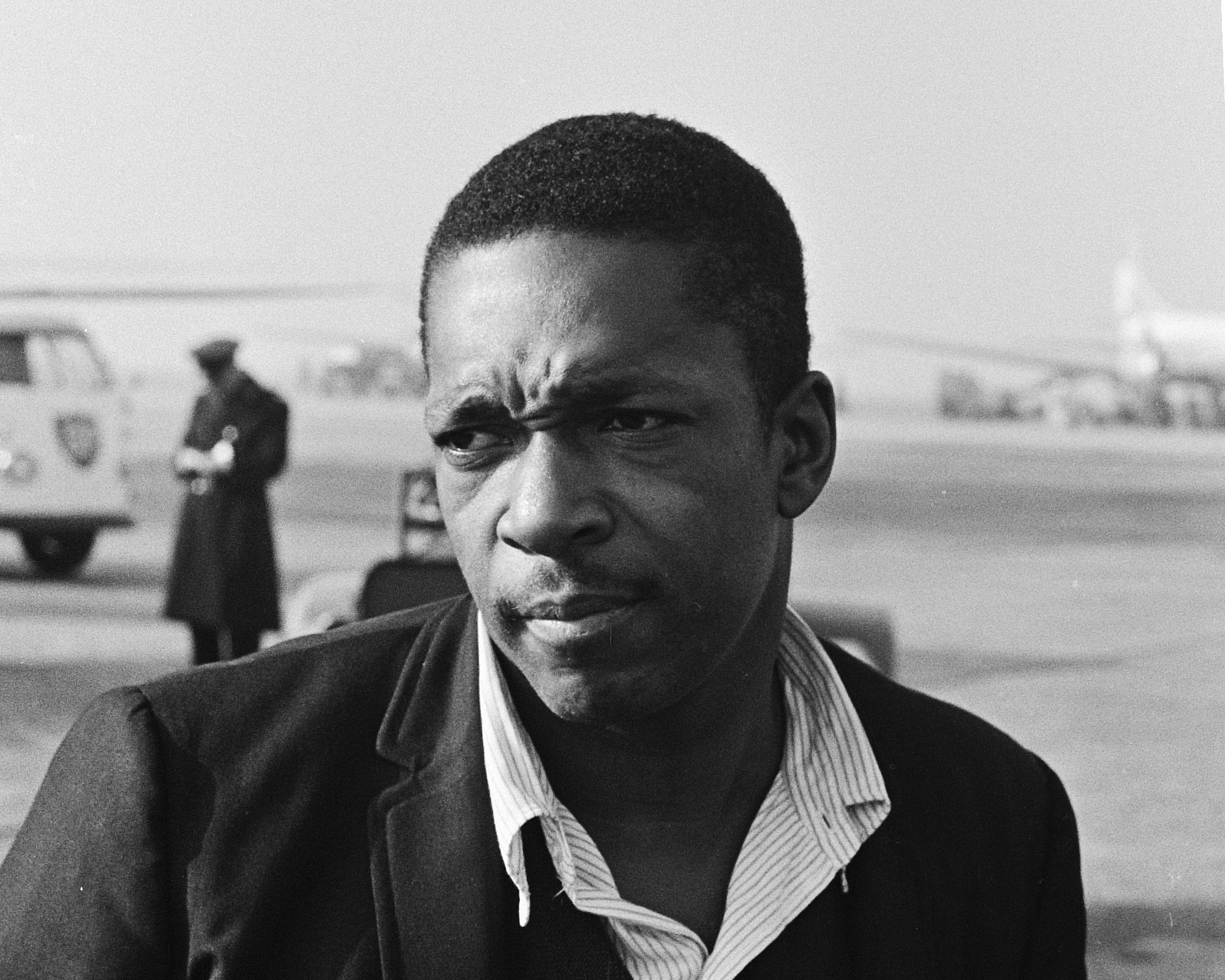
John Coltrane is among those who paved the way for spiritual jazz as both a musical practice and a spiritual attitude. However, the spiritual impact of jazz sometimes also lies in its ability to comment on contemporary historical events in a way that goes far beyond the merely factual.
On September 15, 1963, a horrific, racially motivated bombing took place at a church in Birmingham, Alabama, killing four girls. Immediately afterward, John Coltrane wrote the piece “Alabama,” which he recorded in november 1963. Two aspects of jazz are evident here: one empathetic and one aesthetic. The piece is one of countless examples demonstrating that jazz is capable of reflecting its environment in near real time, shaking it up, mobilizing it, and thus fostering solidarity and support. Because jazz typically operates without words or lyrics, the unspoken words are perceived as a universal language that each individual can use. Thus, in the music, one not only hears what one thinks and feels, but through this liberating sensory experience, one can better understand emotional upheavals or traumas and more easily dissolve the resulting blockages or transform them into energy for action. With a profound lasting impact. For instance, William Shadrack Cole, a professor of American studies at Syracuse University and a musician himself, discovered—more than a decade after its release—that the rhythm of Coltrane’s song “Alabama” was apparently “derived from the rhythmic inflections of a speech by Dr. Martin Luther King.” This refers to the famous eulogy King delivered three days after the bombing. As journalist Matt Micucci describes it, Coltrane developed his saxophone playing—much like the civil rights leader’s eulogy—from a tone of mourning toward a combative resolve.
A Person Like a Cathedral
Coltrane demonstrates the power that can arise from such impulses with what is arguably his most famous album, *A Love Supreme*. Inspired by the boundlessness of God (conceived less as a being than as a universal idea), Coltrane created, through his late work, a kind of creative catapult that has been hurling liberating messages into the universal space of the human condition for 60 years without ceasing. Impulses that one embraces while listening, allowing oneself to be carried away by them—toward one’s own innermost place, to which this music is clearly a key. It is no coincidence that this journey begins with a gong—the quintessential signaling instrument. This mystical opening, highly unusual not only in jazz, perfectly epitomizes the entire music of the four-part suite as something that functions quite naturally from within itself, both in playing and in listening. Every note derives its authenticity and power solely from within itself. This makes it equally accessible to everyone, yet not in the same way for any two people. Out of a fascination with the incredibly intense meditative experience associated with listening to this music, a church was actually founded in San Francisco a few years after Coltrane’s death: the Coltrane Church, or, to use its full name, the Saint John Coltrane African Orthodox Church. Its founder, the son of a pastor, had previously attended a Coltrane concert, which he later described as his “baptism of sound.” Initially, the church was in open conflict with Catholic doctrine because it regarded John Coltrane as the “incarnation of God.” Once they were willing to downgrade him to a “saint,” the Coltrane Church was accepted into the African Orthodox Church. In services lasting hours, however, the music of the late John Coltrane—and in particular the “A Love Supreme” suite—remains a central part of the ritual. John Coltrane’s 100th birthday is one of the main themes of this year’s Enjoy Jazz Festival.
© Hugo van Gelderen
Date: 8. September 2026
Latest posts

More articles in the category: information
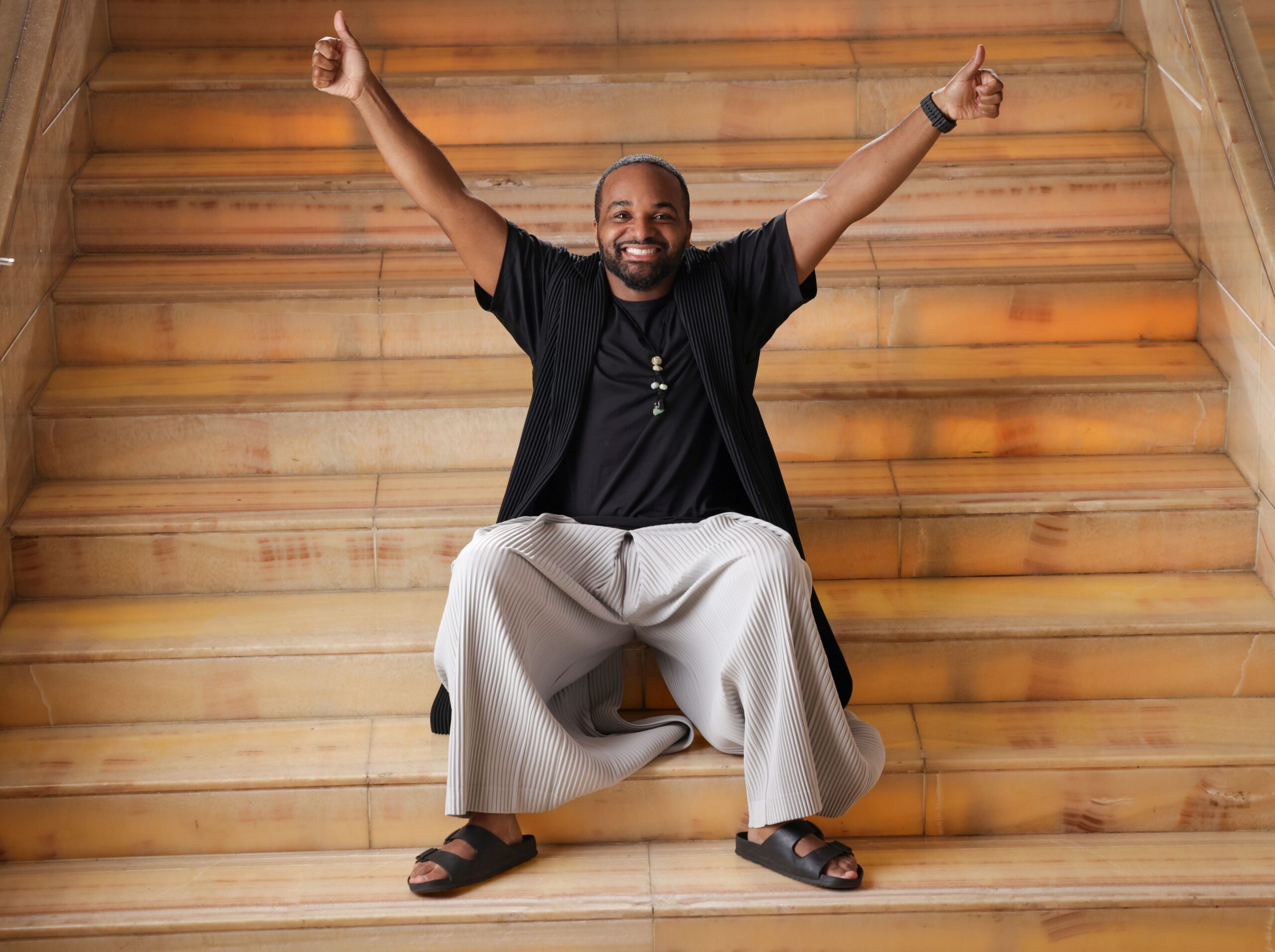
New Spiritual Jazz
When the Past Becomes the Future: The spiritual power of jazz has always been a social one as well. Today’s jazz draws not only new energy from the growing creative focus on this phenomenon, but also a contemporary relevance. ...
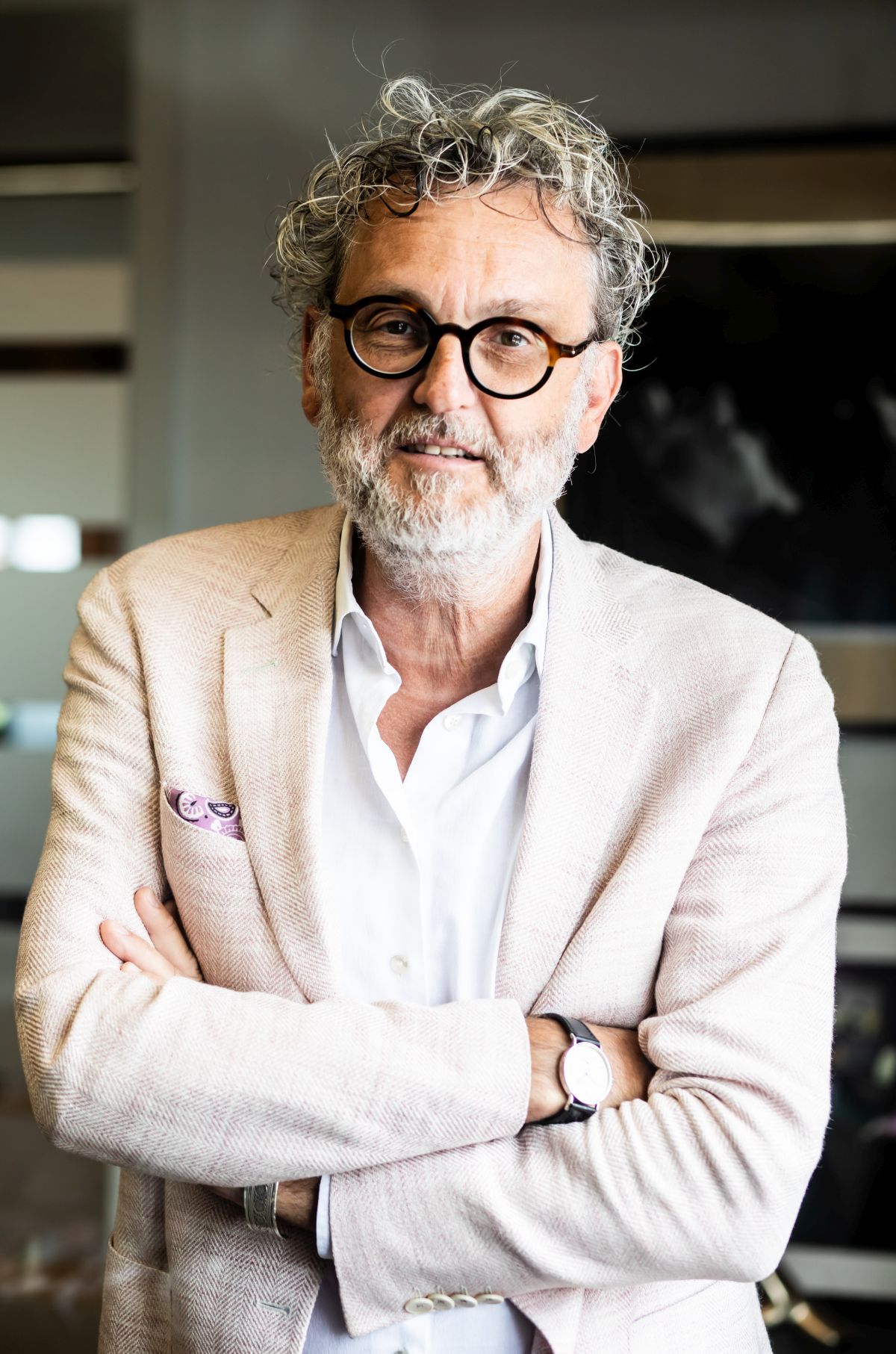
I hear something you can't see
Enjoy Jazz Featuring World-Class Female Singers In 2017, Michael W. Kraus, a professor of psychology at Yale University, made an interesting observation: when we listen exclusively to the person we’re talking to—that is, without seeing or touching them—we can ...
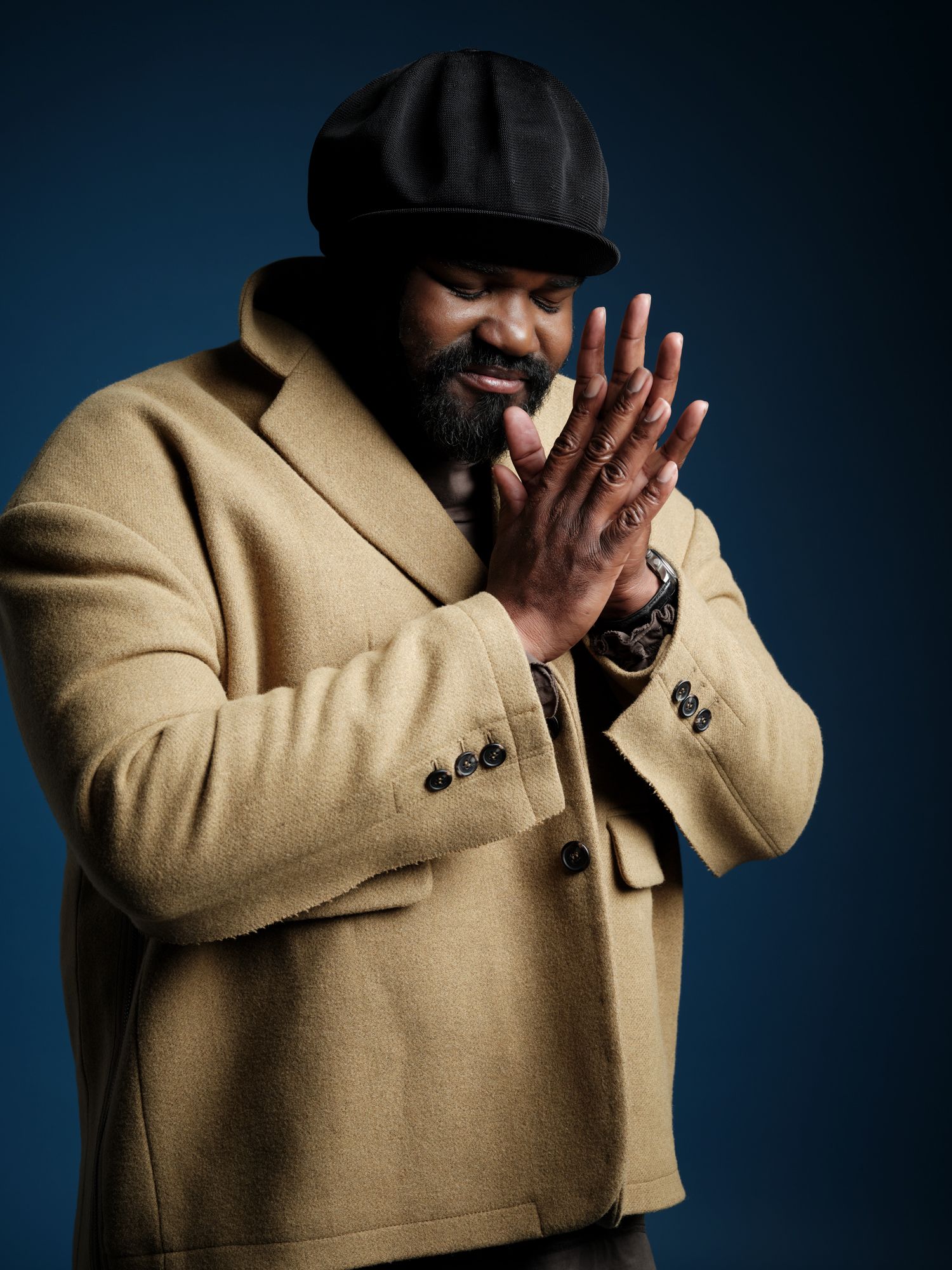
"Beauty isn't necessarily beautiful."
The founder and artistic director of Enjoy Jazz has chosen “Beauty” as the theme for his “Festival for Jazz and More” for the fourth year in a row. We spoke with him about how this theme relates to the ...